Transcript
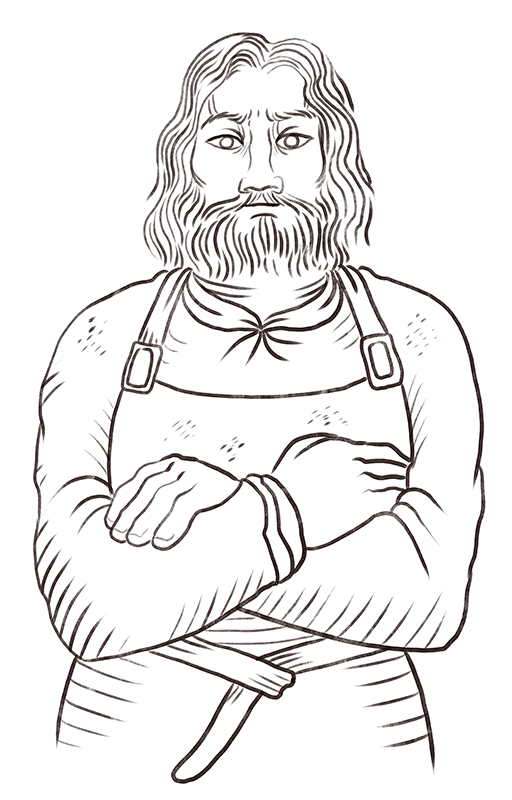
Three mills. Two for grain, one for fulling cloth. The grain mills run most days — one’s set fine for flour, the other coarser for malt and animal feed. The fulling mill, that’s different work. Beats the woven cloth until it thickens – makes it near waterproof when done. Used to be done by trampling, stomping it in troughs. The mill is faster.
The sound tells you everything. The rumble of the stones, the water rushing through, the creak of the wheel. You know by ear if the grain’s feeding right, if the stones need adjusting, if the flow’s dropping. A mill left running will jam or spark — grain dust catches fire easy if you’re careless. So when it’s turning, I’m here.
The villagers bring their grain to me — they have to, it’s the obligation. I take a portion for the grinding, a sixteenth or thereabouts. That goes to the preceptory stores, feeds the workers and the animals. No coin involved. Just grain in, flour out, and a bit less goes home than came in.
The brothers don’t pay tithes to the Church or the king like other manors do. Everything here stays here or goes to the Order. The wool and the fulled cloth, that goes away — collected by agents, taken to ships, turned into coin somewhere I know nothing about. Flanders? [pause] Normandy? Means nothing to me.
When the water’s low, there’s an ox turns the lifting gear. I’ve worked alongside that beast for years. Steadier than most men.
The work’s heavy — sacks to shift, stones to set, blockages to clear. But it’s skilled work too. You don’t just turn a wheel and walk away. You stay.

